
How to spot the signs of problem gambling in yourself
Understanding Problem Gambling
Problem gambling is often described as an uncontrollable urge to gamble despite the negative consequences that may arise. Recognizing the signs within yourself is crucial as it empowers you to seek help before the issue escalates. Many people may dismiss their behavior as harmless fun, unaware of the risks that can accumulate over time.
Understanding the definition of problem gambling is the first step toward self-awareness. This condition can lead to severe emotional distress, financial problems, and strained relationships. Having a clear grasp of what constitutes this problem allows individuals to better identify when they may be crossing into dangerous territory.

Emotional Indicators
Emotional changes are often significant red flags. If you find yourself feeling anxious, irritable, or restless when you’re not gambling, it might be time for some self-reflection. These emotions can indicate a growing dependence on gambling to alleviate stress or escape from reality.
Another emotional sign is the sense of euphoria when winning and despair when losing. This rollercoaster of emotions can cloud judgment, making it difficult to view gambling objectively. If your mood frequently swings with the fortunes of your bets, you might be experiencing problematic behaviors.
Financial Signs
Financial signs are among the most concrete indicators of potential gambling issues. If you’re frequently borrowing money, using credit cards excessively, or diverting funds intended for essential living expenses to support your gambling habit, it’s time to take a step back. These actions can lead to significant financial ruin and stress.
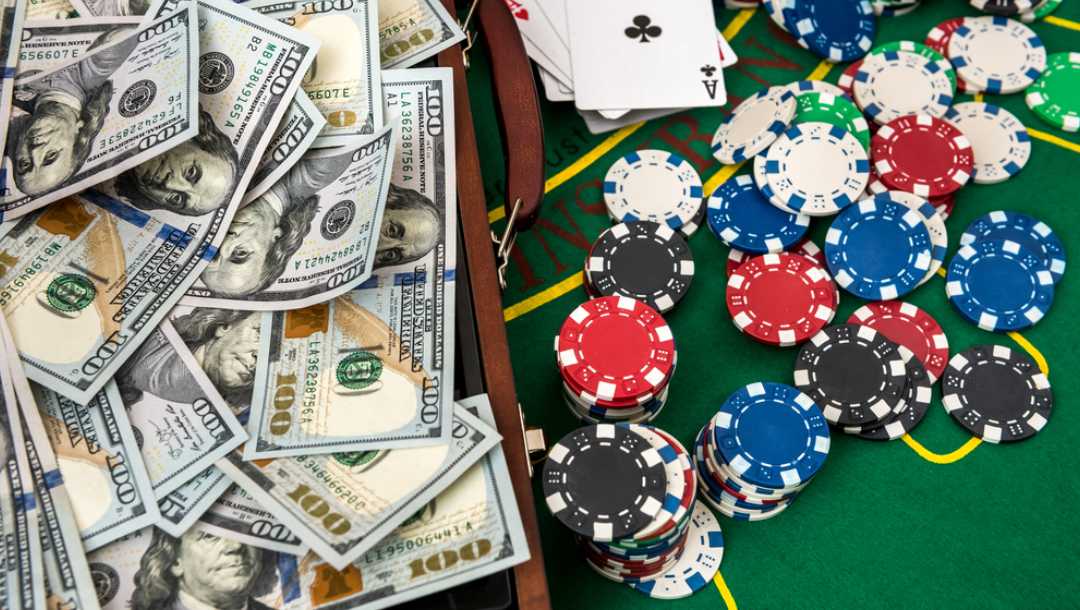
Additionally, if you’re chasing losses—gambling more in an attempt to recoup lost money—this behavior can become a dangerous cycle. Recognizing these financial red flags can be vital for early intervention and seeking assistance before things spiral out of control.
Social Withdrawal
Another concerning sign of problem gambling can be social withdrawal. When gambling begins to consume your time and attention, you may find yourself withdrawing from friends, family, and social activities that were once enjoyable. This isolation could lead to a lack of support systems, making it even harder to recognize your gambling issues.
Many individuals might also prioritize gambling over relationships, resulting in strained or broken connections with loved ones. If you’ve noticed that your gambling behaviors are causing rifts in social or familial bonds, this is a significant indicator that your gambling habits deserve greater scrutiny.
Seeking Help and Resources
If you recognize any of these signs in yourself, it’s vital to seek help and explore resources available for those facing problem gambling. Many organizations offer support, counseling, and tools for overcoming gambling addiction. It’s important to remember that seeking help is a positive first step in regaining control over your life.
For anyone struggling, consider visiting resources that focus on problem gambling awareness, including hotlines and support groups. Creating a plan for accountability or exploring alternative forms of entertainment can also be beneficial as you work toward healthier habits. You can even engage in activities like playing an ice fishing game to find joy in hobbies outside of gambling.